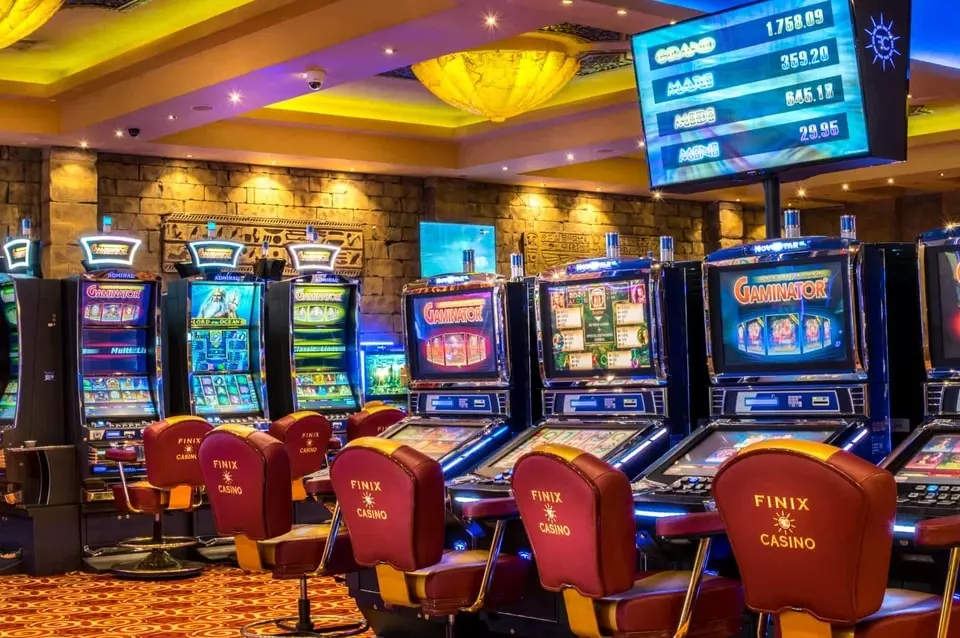
The Landscape of Casinos Outside National Self-Exclusion
In recent years, the debate surrounding responsible gambling and self-exclusion measures has become increasingly important. Despite national efforts to promote responsible gambling, many casinos operate outside of these frameworks. This article explores the nuances of casinos that do not adhere to national self-exclusion programs, as well as the implications for players seeking help. For more insights into gambling culture and its impacts, you can refer to resources like casinos outside national self exclusion https://sensingculture.org.uk/.
Understanding National Self-Exclusion Programs
National self-exclusion programs are designed to provide players with a safety net, allowing them to voluntarily exclude themselves from gambling activities for a specified period. These programs are typically managed by governmental or regulatory bodies and aim to support individuals struggling with gambling addiction. By signing up for self-exclusion, players are prohibited from accessing casinos, both online and physical, which allows them a chance to seek help and recover from their addiction.
The Emergence of Casinos Outside National Self-Exclusion
As technology and gambling platforms evolve, so too do the strategies and operations of casinos. Some casinos may not be affiliated with or bound by national self-exclusion programs, thereby presenting a risk for vulnerable players. These establishments often exploit regulatory gaps or operate in jurisdictions with lenient gambling regulations.
Types of Casinos Operating Outside Self-Exclusion
Casinos that operate outside national self-exclusion frameworks can be categorized into several types:
- Offshore Casinos: These are online gambling sites that operate from jurisdictions outside of the player’s home country. They might not have to comply with local regulations, including self-exclusion programs.
- Unregulated Venues: In some regions, there are physical casinos that do not fall under national regulatory bodies. These venues may have minimal oversight, making it easier for individuals to access gambling without any barriers.
- Land-based Casinos in Non-Participating Regions: Some casinos operate in areas where national self-exclusion efforts are not enforced, allowing players to gamble freely.
Risks Associated with Casinos Outside Self-Exclusion
The existence of casinos outside the national self-exclusion frameworks poses several risks to players:
- Increased Accessibility: With fewer regulations, these casinos are often much easier to access, potentially leading individuals to gamble more frequently, aggravating existing gambling problems.
- Lack of Support: Players who opt for these casinos may find limited or no support mechanisms in place, making it difficult to seek help when needed.
- Exploitation of Vulnerabilities: Unscrupulous operators may prey on individuals struggling with addiction, offering promotions and incentives that encourage excessive gambling.
Strategies for Responsible Gambling
Even amidst the risks posed by casinos outside of national self-exclusion programs, individuals can take proactive steps to gamble responsibly. Some useful strategies include:
- Setting Limits: Establish a budget and stick to it, avoiding chase losses or unplanned gambling sessions.
- Self-Monitoring: Keep track of time and money spent on gambling activities to maintain a clear understanding of one’s habits.
- Seek Help: If gambling becomes overwhelming, reach out to support organizations that specialize in gambling addiction for guidance and support.
Regulating the Landscape
To address the challenges posed by casinos that operate outside of national self-exclusion frameworks, regulatory bodies must consider several measures:
- International Cooperation: Countries should work together to create a cohesive approach to gambling regulations, ensuring that online casinos adhere to agreed-upon standards.
- Awareness Campaigns: Governments and organizations should promote awareness about self-exclusion options and available resources, making them readily accessible to the public.
- Stricter Penalties: Implement harsher penalties for casinos that engage in practices meant to exploit vulnerable gamblers, ultimately protecting players and promoting a responsible gambling environment.
Conclusion
Casinos operating outside of national self-exclusion frameworks present a unique challenge in the realm of responsible gambling. The lack of oversight and regulation can make it difficult for individuals struggling with addiction to access the help they need. By raising awareness, promoting responsible gambling practices, and advocating for stronger regula

tions, we can begin to create a safer environment for all players. It is essential to remain vigilant and informed, ensuring that individuals have the support and tools necessary to gamble responsibly.